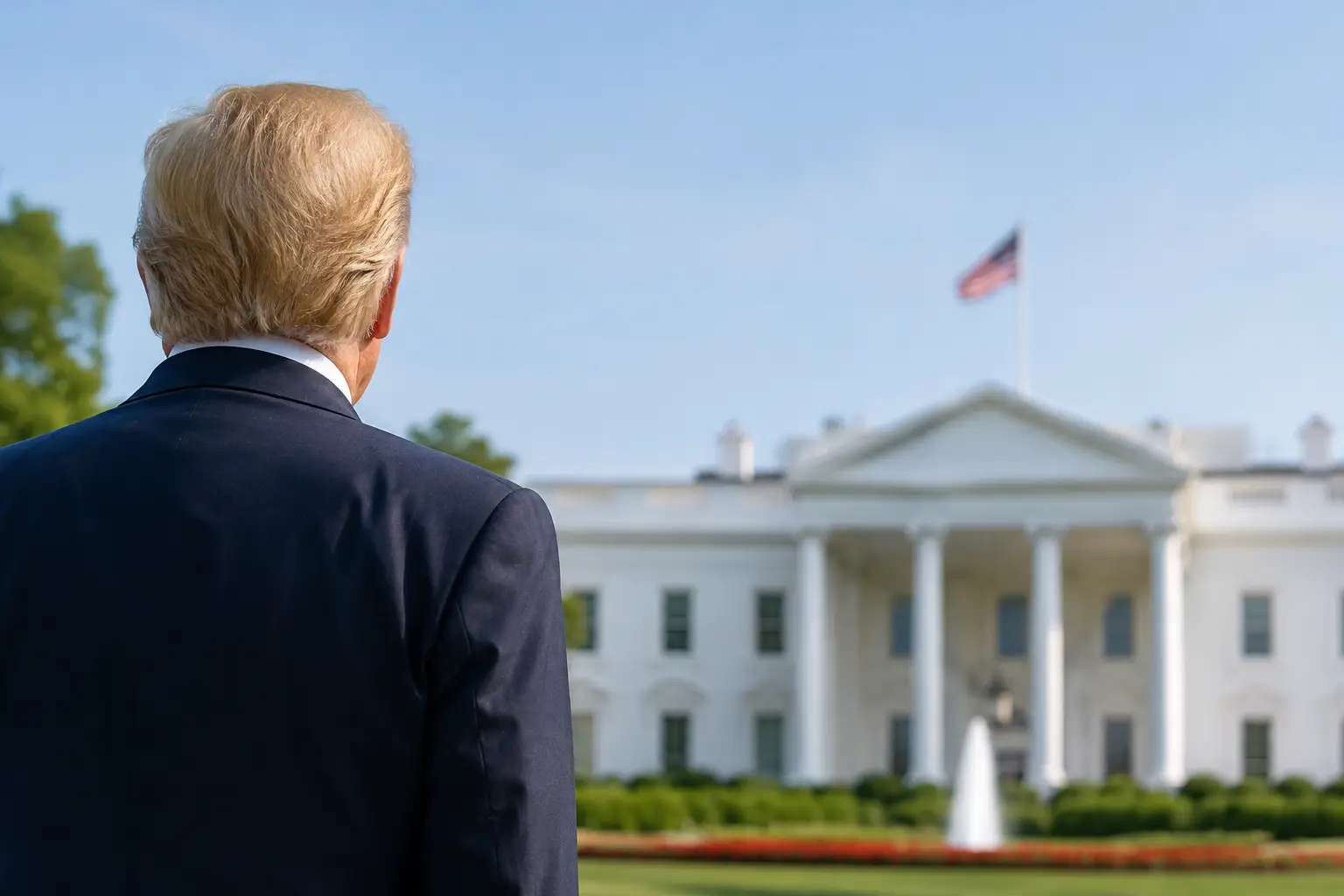
A presidential election can create immediate anxiety for people planning a U.S. visa, green card, business expansion or family move. Clients commonly ask: “How long does it take to implement policy if a President is changed?” The legally accurate answer is rarely a single date. Some changes can affect government priorities within days of inauguration. Others require formal rulemaking, Congressional action, agency training or years of litigation.
For an immigration applicant, the practical question is not simply who won an election. It is which legal authority is changing, when that change becomes effective, whether it applies to pending cases, and how the relevant agency will administer it.
How long does policy take after a President changes?
A new President is inaugurated on 20 January. On that day, the administration can begin rescinding or issuing executive orders, changing enforcement priorities and directing federal agencies to review existing policies. Those actions may be politically significant immediately, but an announcement is not always an operational change.
Where a policy is based on presidential authority, it may take effect quickly. An executive order can instruct agencies to alter priorities or begin a review. A presidential proclamation may also affect entry rules in defined circumstances, subject to the legal authority relied upon and any court challenge.
However, many immigration rules are not created by the President personally. They are administered by agencies such as USCIS, the Department of State, CBP and ICE under legislation passed by Congress. A President cannot simply rewrite the Immigration and Nationality Act by executive instruction.
That distinction matters. A change to the law governing visa eligibility, numerical limits or a new immigration category generally requires Congress. A change to how an agency interprets or prioritises existing law may be faster, but it still may need a formal process before officers can apply it consistently.
The four clocks that determine implementation
The speed of a policy change depends on the mechanism behind it. Immigration applicants should assess four separate clocks rather than rely on headlines.
1. Immediate executive action
An executive order, memorandum or proclamation can be issued on inauguration day or shortly afterwards. It may revoke an earlier directive, set a new enforcement priority or instruct an agency to produce a plan.
Even then, the order may not itself decide an individual case. It may require USCIS or the Department of State to publish guidance, revise forms, train staff or define exceptions. A stated policy objective and a workable adjudication process are not the same thing.
For travellers, timing can be particularly sensitive. A new entry restriction, if lawfully introduced, may have a stated effective date within days or weeks. Anyone with imminent travel should obtain advice based on the actual text of the measure, not social media summaries or speculation about what an administration might do.
2. Agency guidance and operational changes
Agencies can change manuals, adjudication guidance, interview procedures, enforcement priorities and evidential expectations without always creating a new statute. These changes often take weeks or months, particularly where thousands of officers must apply them.
For example, USCIS may update its Policy Manual or issue instructions affecting how officers assess discretionary factors, evidence or interviews. Consular posts may receive revised guidance through the Department of State. The public may see a policy announcement first, while day-to-day processing changes appear later and unevenly.
This is where applicants face a real risk. Filing a weak case because you expect a future policy to be more favourable is not a strategy. Equally, abandoning a strong application because of an election result can be unnecessary. The existing legal framework, your evidence and the timing of your case must be assessed together.
3. Formal regulation
Major regulatory changes usually take longer. Under the Administrative Procedure Act, an agency commonly must publish a proposed rule, allow public comment, consider those comments and issue a final rule with an effective date. The process may take many months and sometimes longer than a year.
There are exceptions, and agencies may attempt accelerated routes in limited situations. But rushed regulations are more vulnerable to challenge. Courts can delay, block or invalidate a rule if the agency exceeds its authority or fails to follow required procedure.
This is why a proposed regulation is not the same as a rule currently governing your application. A press release, campaign statement or notice of proposed rulemaking does not automatically change visa eligibility tomorrow.
4. Legislation, funding and the courts
The slowest policy changes often require Congress. A President may support a reform to employment-based quotas, border procedures, legalisation programmes or visa categories, but legislation must pass both houses of Congress and be signed into law. Political control of Congress, legislative priorities and budget negotiations all affect the timetable.
Funding is another constraint. A President may direct an agency to pursue a new programme, but implementation can be limited by appropriations, staffing and technology. USCIS processing backlogs, consular appointment availability and security-check capacity cannot be solved by a speech.
Courts can add a further delay. Immigration policy is frequently litigated. A lower court injunction can pause a measure quickly, while appeals may continue for months or years. The result can be a patchwork position in which a policy exists on paper but cannot be applied, or applies differently depending on the legal order in force.
What happens to pending immigration applications?
Pending cases are not automatically protected from a policy change, nor are they automatically harmed by one. The outcome depends on the measure’s wording, effective date and transitional provisions.
Some changes expressly protect applications filed before a stated date. Others apply to decisions made on or after the effective date, meaning a pending applicant may be assessed under a new standard. In other situations, the underlying statutory criteria remain unchanged but the agency’s approach to discretion, interviews or evidence becomes more demanding.
This is especially relevant for discretionary applications. A family-based green card case, waiver, visitor visa, E-2 application or employment petition may involve legal criteria as well as credibility, intent and documentary judgement. Strong evidence remains valuable under any administration. Inconsistent forms, unclear finances, unexplained immigration history or weak relationship evidence can become more consequential when scrutiny increases.
Applicants should also distinguish between a petition approval and permission to travel. USCIS approval does not remove the need for consular processing where required, and a valid visa does not eliminate inspection at the border. Different agencies can be affected by policy changes at different speeds.
Planning without gambling on politics
Election cycles encourage people to delay, rush or file without proper preparation. All three decisions can be costly. A rushed filing with incomplete evidence can lead to a request for evidence, refusal or a record that must later be explained. Waiting for a hoped-for policy change may cause someone to miss a viable route available now.
A more defensible approach is to identify the legal basis for the case, the current rules, the anticipated areas of policy risk and the evidence needed to withstand close scrutiny. For a company, that may mean examining the structure of the U.S. entity, the employee’s role and the commercial evidence before pursuing an L-1, E-2 or employment-based route. For a family, it may mean documenting the relationship carefully and addressing previous refusals or overstays before filing.
No lawyer can guarantee how a future administration, agency or court will act. A lawyer can, however, distinguish a real legal change from political noise, explain the exposure in a particular case and build the strongest available application under the law in force.
If a change of President affects your U.S. immigration plans, obtain advice before you file, travel, withdraw an application or rely on informal commentary. Migration USA assesses the route, evidence and timing in the context of the rules that actually apply, so that your next step is based on legal judgement rather than election speculation.
Leave a Reply